In every generation of football, there comes a moment when the script is torn apart—when giants fall, and the so-called minnows rise. As the road to the FIFA World Cup 2026 unfolds, that moment is no longer rare. It’s becoming the story.
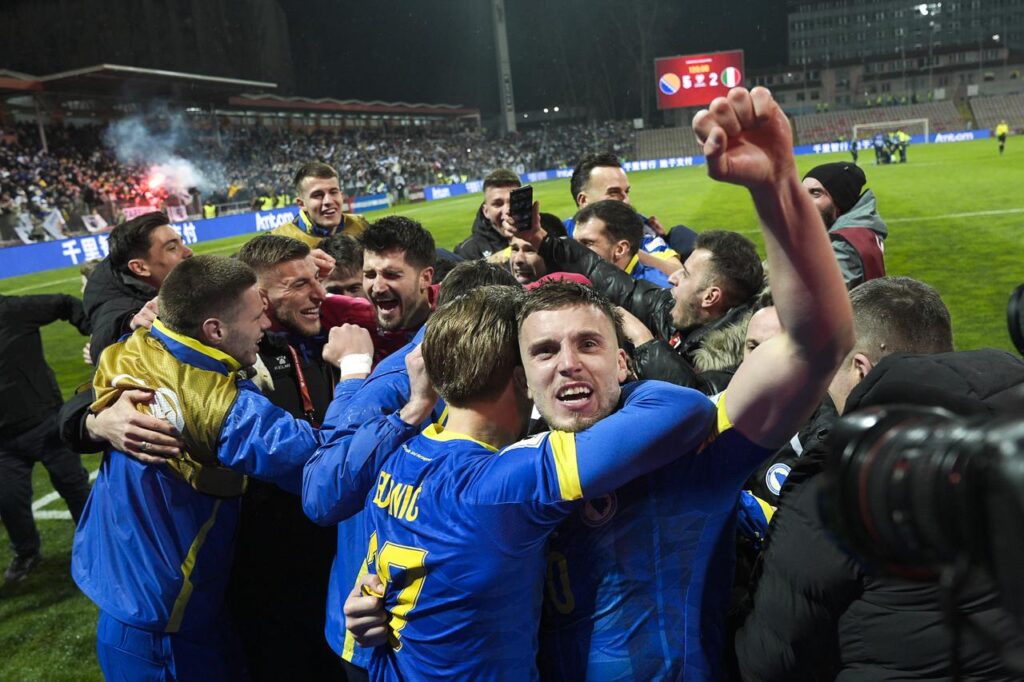
Across continents, smaller footballing nations are no longer content with participation. They are qualifying—sometimes at the expense of traditional powerhouses. Imagine a scenario where Bosnia and Herzegovina eliminates Italy in a high-stakes qualifier. A decade ago, that would be labeled a miracle. Today, it feels like momentum.
A Changing Football Landscape
The expansion of the World Cup to 48 teams has undeniably opened the door wider, but access alone doesn’t explain the shift. Investment in youth development, tactical sophistication, and globalized player pathways have leveled the playing field.
Nations once considered outsiders are now producing players who compete in Europe’s top leagues. They bring back experience, discipline, and belief—ingredients that transform underdog teams into genuine contenders.
The Power of Belief
What separates these emerging teams isn’t just talent—it’s mentality. Smaller nations often play with a clarity and unity that giants sometimes lack. There’s less pressure, fewer egos, and a stronger sense of collective identity.
When a country like Bosnia steps onto the pitch against a four-time world champion like Italy, they are not weighed down by history. Instead, they are driven by opportunity. That psychological edge can be decisive.
More Than Just Upsets
These results are often labeled as “upsets,” but that framing is becoming outdated. When nations consistently challenge and defeat elite teams, it signals a broader evolution in the sport.
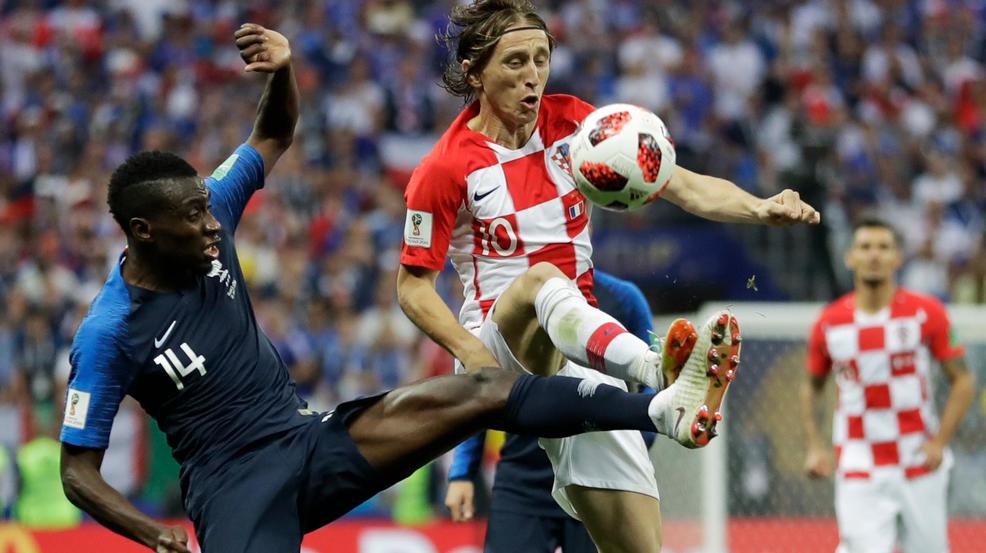
We’ve seen it before—Croatia reaching the 2018 final, Morocco stunning the world in 2022. These aren’t anomalies; they are milestones in a shifting hierarchy.
Why It Makes the World Cup Better
The beauty of the World Cup has always been its unpredictability. The rise of smaller nations amplifies that magic.
Fans are no longer watching a tournament dominated by a handful of favorites. Instead, every match carries tension, every group holds potential drama, and every knockout tie feels genuinely open.
Underdog stories create emotional investment. They give neutral fans a reason to care, to believe, and to dream. And in a sport that thrives on passion, that matters more than anything.
The Future Is Wide Open
As 2026 approaches, one thing is clear: the gap is closing. Traditional powerhouses can no longer rely on reputation alone. Every qualifier, every match, demands respect for the opponent—no matter their size.
And that’s exactly what makes this era of international football so compelling.
Because in this new World Cup landscape, it’s not just about who has won before.
It’s about who dares to win now.